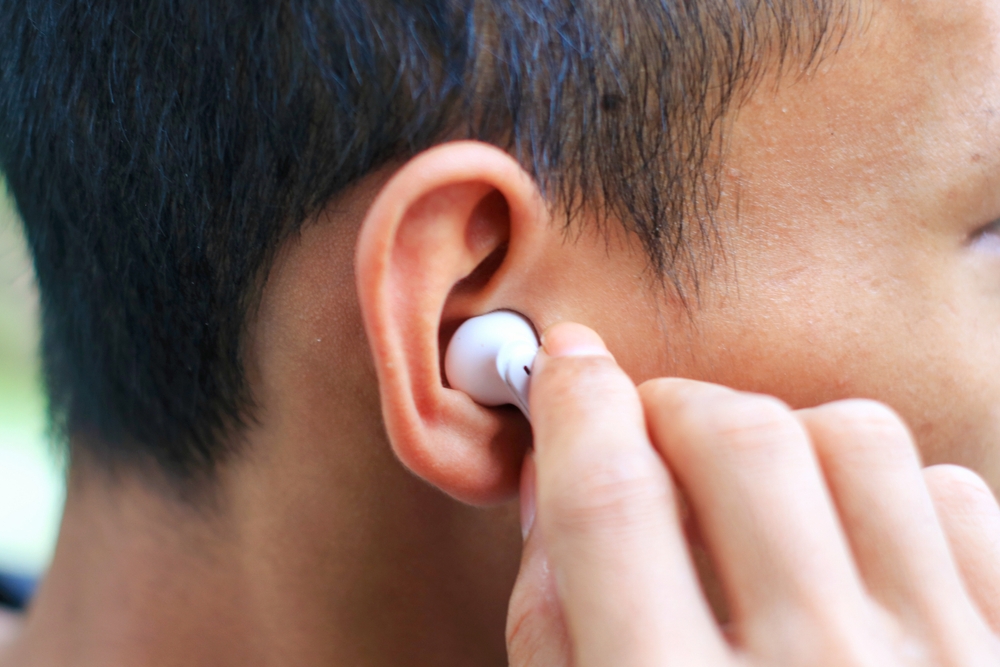
In modern public spaces, the sight of a young person without some form of in-ear audio is rare. Headphones are a bit more cumbersome, but teens still find them a way to escape from their surroundings. We all enjoy listening to music, no matter our age, but younger people rely on music to pass the time. Given their intimate position near the eardrum, are these devices a legitimate threat to our hearing? The danger is not inherent to the technology but is instead a product of specific usage habits.
The Biological Threshold of Auditory Exposure
Listening to music can be relaxing, soothe our souls, or wind us up. Depends on the music. Personal audio tech provides a convenient way to consume media without infringing on the silence of those nearby. Most individuals view this as a positive etiquette, especially within the confined spaces of a bus or train.
The real questions are: how loud is too loud, and how long is too long? In reality, excessive sound pressure is universally hazardous to the delicate structures of the cochlea. When you listen for too long a time and at a very loud volume, you can irreparably damage your hearing. Because auditory decline is often a slow, cumulative process, the damage is frequently advanced before symptoms are noticed.
Identifying the Critical Risks of Personal Audio
Sound pressure level is the primary variable in the development of **NIHL**. Despite this, the cumulative hours of exposure are just as dangerous as a single loud blast.
- Clinical guidelines from the NIH suggest that listening at or below 70 dB prevents damage regardless of the duration.
- There is a direct correlation between increased sound pressure and the speed of hearing degradation.
- To protect your ears, utilize the 60/60 guideline: never exceed 60% power and rest after 60 minutes of use.
- You can safeguard your auditory health by reducing device intensity and monitoring your cumulative daily usage.
Indicators That You May Need a Hearing Evaluation
If you notice muffled speech, struggle with background noise, experience **tinnitus**, or constantly require others to speak up, a professional evaluation is necessary.
If you suspect a decline in your hearing, contact our office to begin a professional diagnostic process.