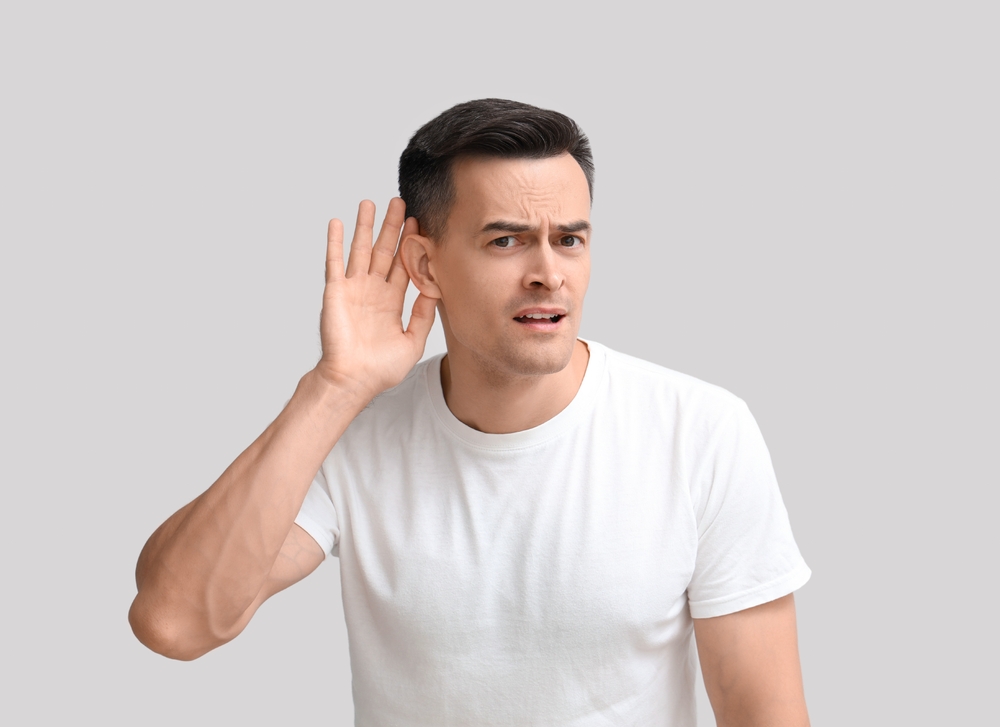
Have you noticed a distinct sense of exhaustion after participating in lengthy verbal interactions?
Many individuals mistakenly categorize this depletion as standard daily stress or emotional burnout. Certainly, for those with introverted tendencies or sensory processing sensitivities, social engagement is naturally taxing. However, in many clinical scenarios, the underlying driver is a neurological phenomenon known as auditory fatigue.
Auditory fatigue happens when your brain has to work harder to process sound. The brain’s attempt to reconstruct incomplete audio data requires an immense amount of “processing power” and neural energy. Sustained periods of this “effortful listening” eventually lead to total cognitive depletion.
Most individuals fail to distinguish between localized auditory fatigue and general fatigue. In many cases, persistent fatigue serves as a diagnostic “red flag” for early-onset hearing impairment. Undergoing a clinical screening can identify the extent to which hearing loss drives your daily fatigue. If this cycle of exhaustion is recurring, consult an audiologist to investigate the influence of hearing loss.
The Physiological Triggers of Auditory Fatigue
Various stressors can overtax the auditory cortex, leading directly to the onset of auditory fatigue.
The Impact of Unmanaged Hearing Loss
Failing to address hearing loss is a major factor in the development of persistent auditory fatigue.
When the ears cannot detect certain sounds clearly, the brain tries to compensate by filling in gaps. This perpetual state of “phonemic guessing” elevates cognitive load and triggers rapid burnout during dialogue.
The Challenge of Complex Soundscapes
Acoustically complex settings serve to intensify the demand on the brain’s filtering systems. Environments with significant background chatter make it difficult for the brain to isolate and prioritize relevant audio signals.
Processing concurrent audio streams requires the brain to perform intense “auditory scene analysis” to find the primary speaker. This process can create cognitive overload, especially for people with hearing loss (even mild cases).
The Role of Tinnitus in Auditory Fatigue
Chronic tinnitus compounds listening effort as the brain struggles to ignore internal noise while focusing on external speech.
A distorted acoustic signal acts as a “broken link,” requiring the brain to expend extra energy to fix the data in real-time.
Common Signs of Auditory Fatigue
Symptoms of auditory fatigue typically bridge the gap between mental clarity and physical stamina. Common signs include:
- Profound mental burnout after speaking with others
- Inability to maintain attention in multi-person dialogues
- Headaches after long listening periods
- Increased emotional volatility in loud or busy environments
- Withdrawing from conversations or social events
- The need for a “quiet recovery period” following social exposure
If these symptoms occur frequently, it may indicate that your ears and brain are working harder than they should.
The Neurology of Effortful Listening
With healthy hearing, the brain’s speech recognition pathways operate with high efficiency. However, when hearing loss is present, the brain must allocate more cognitive resources to decode sounds.
Audiologists and neurologists define this extra effort as a high cognitive load. This energy shift often leaves the patient struggling with recall and attention while they try to listen. This continuous drain on the brain’s “battery” leads to chronic daily exhaustion. The effort required for even a 10-minute talk becomes disproportionately high.
Diagnosing the Source of Your Fatigue
A formal auditory screening is the most effective way to determine why you feel so drained. In the clinic, an expert will assess your ability to detect specific pitches and interpret clear speech. Testing your hearing in a noisy context is vital for identifying the true drivers of your social exhaustion.
The data from your exam will determine if your fatigue is rooted in a physiological hearing deficit. By catching these changes in their infancy, you can implement solutions before they damage your social and professional life.
How Hearing Treatment Reduces Listening Effort
Clinical intervention is proven to drastically reduce the mental burden of communication.
Advanced hearing aids utilize AI to sharpen speech signals while simultaneously suppressing irrelevant environmental noise. Consequently, the brain receives a high-fidelity signal that requires no guesswork or phonemic restoration.
With restored hearing clarity, you will likely see a boost in:
- A feeling of being more “awake” and present throughout the day
- Ability to follow complex dialogue without drifting off
- A return to enjoying busy restaurants and gatherings
Lowering the cognitive cost of communication allows social life to feel effortless once more.
Timing Your Audiological Evaluation
Consider booking a hearing test if any of the following rings true:
- You feel exhausted after conversations
- Loved ones notice that you frequently require clarification during talk
- You find yourself “guessing” at words in loud settings
- Social withdrawal is becoming your default response to difficult acoustics
Early action on hearing impairment is a foundational step in preserving your mental and social health.
FAQs About Auditory Fatigue
Are Fatigue and Loss Identical?
No. Auditory fatigue refers to the mental exhaustion caused by intense listening effort. That said, hearing loss remains the primary catalyst for chronic listening burnout.
Will Hearing Devices Fix My Burnout?
Yes. By improving sound clarity and reducing background noise, hearing aids can significantly decrease the mental effort required to understand speech.
Can I Recover from Auditory Fatigue?
In many cases, auditory fatigue improves when the underlying cause (like untreated hearing loss) is addressed with proper evaluation and treatment.
Stop Feeling Drained After Conversations
Socializing should replenish you, not leave you feeling drained. When simple listening becomes a chore, it is a sign of an inefficient auditory processing loop.
Begin your journey back to energy by booking a comprehensive hearing test now. Reclaim your social life and your energy by getting the truth about your auditory health today.